
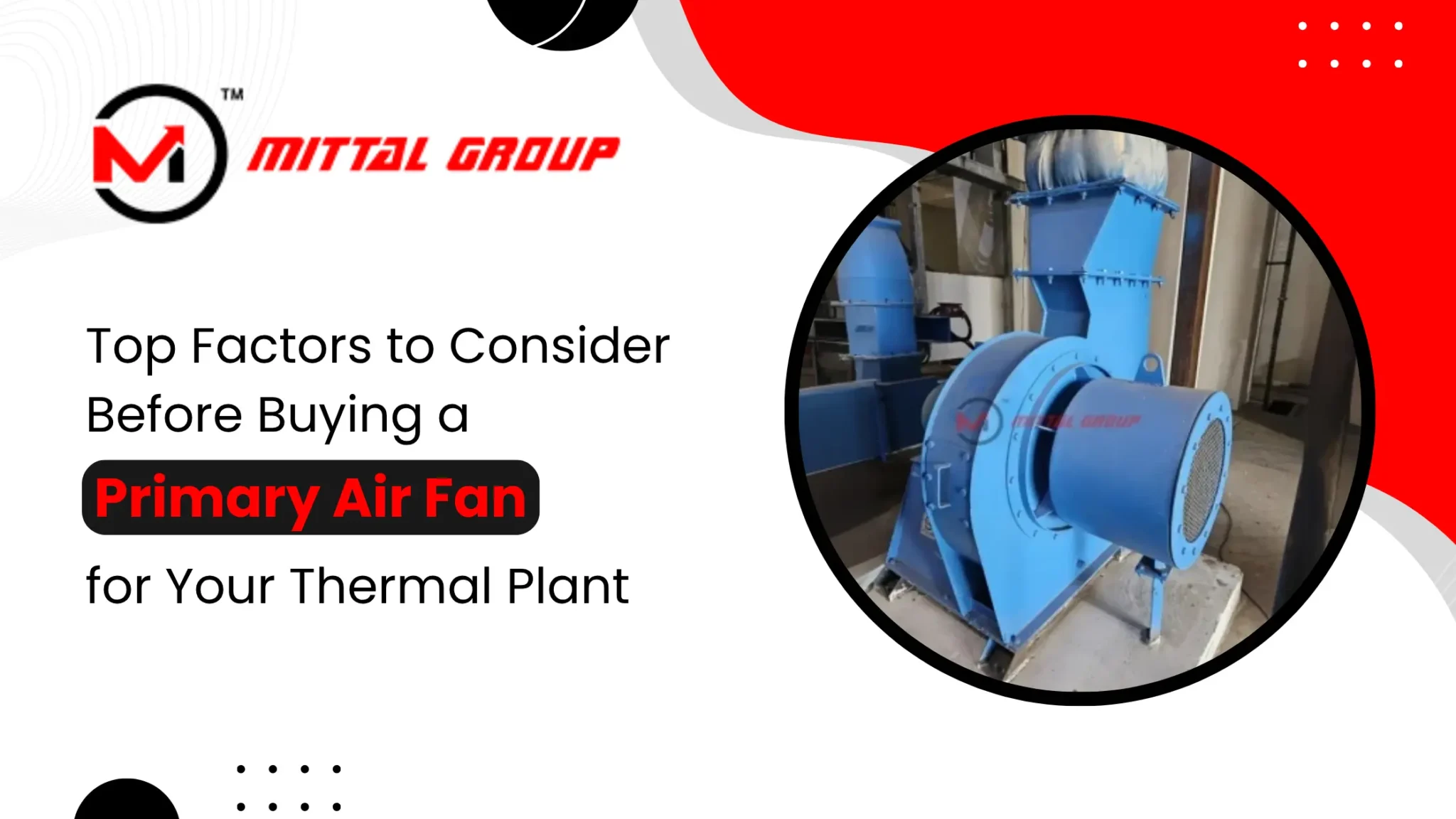
In thermal power plants, it is essential to have good air flow for the facility to operate efficiently. This is where the main air fan comes into play since it will be responsible for transporting the crushed coal, burning of coal, and boiler operation. Due to its significant contribution to the process, the selection of this machine should not be a quick process. An erroneous decision during this process can cause unnecessary power usage and downtime in the future.
This sounds obvious, but it gets skipped more often than you’d think. Every thermal plant is different. Boiler capacity, operating conditions, and fuel type all of it affects how much airflow you actually need. Buy a fan that’s too small, and your combustion suffers. Buy one that’s too big, and you’re wasting electricity every single day. Neither outcome is good.Talk to a manufacturer who’ll take the time to study your actual setup before recommending anything. If they’re quoting you specs without asking questions first, that’s a red flag.
Primary air fans don’t take breaks. They run continuously, which means even a small inefficiency compounds into serious money over months and years.Modern fans with optimized impellers and VFD-compatible motors can make a real dent in your power consumption without sacrificing performance. Yes, an energy-efficient fan might cost more upfront, but the math almost always works out in its favour over time.
When evaluating options, pay attention to motor efficiency ratings, power draw under continuous load, and whether the fan plays well with variable frequency drives.
Thermal plants are not gentle environments. Heat, dust, and non-stop operation, your fan has to handle all of it without falling apart. That means heavy-duty bearings, corrosion-resistant coatings, heat-tolerant construction, and a design that doesn’t shake itself loose over time.
A well-built fan won’t just last longer; it’ll need far less maintenance along the way. That’s the kind of quality worth paying for.
You might not notice excessive vibration at first, but over time it quietly damages ducts, motors, and supporting structures. It also shortens the fan’s lifespan significantly. A properly balanced fan runs smoother, quieter, and puts far less stress on everything connected to it. Always ask about balancing standards before you commit to a purchase.
Unplanned shutdowns are expensive. A fan that’s difficult to inspect or service only makes that worse. Look for designs that allow easy access for cleaning and part replacement. And make sure the manufacturer actually supports their product after the sale; spare parts availability and technical help matter more than most people realize until they need it.
You’re not just buying a fan; you’re buying the expertise behind it. A manufacturer who has worked on real thermal plant projects understands the challenges in a way that a general supplier simply doesn’t.
Before committing, look into their experience with similar plants, how they test their products, and what their existing customers have to say. After-sales support should be a given, not a bonus.
An important component that you need not only to invest in but also pay attention to when making your purchasing decision is a primary air fan. In many cases, choosing a cheaper option at first will cost you more money in the long run. Make sure you have the appropriate airflow capacity and opt for efficient, durable equipment that the manufacturer really understands. At Mittal Blowers, we specialize in manufacturing fans for industrial plants.